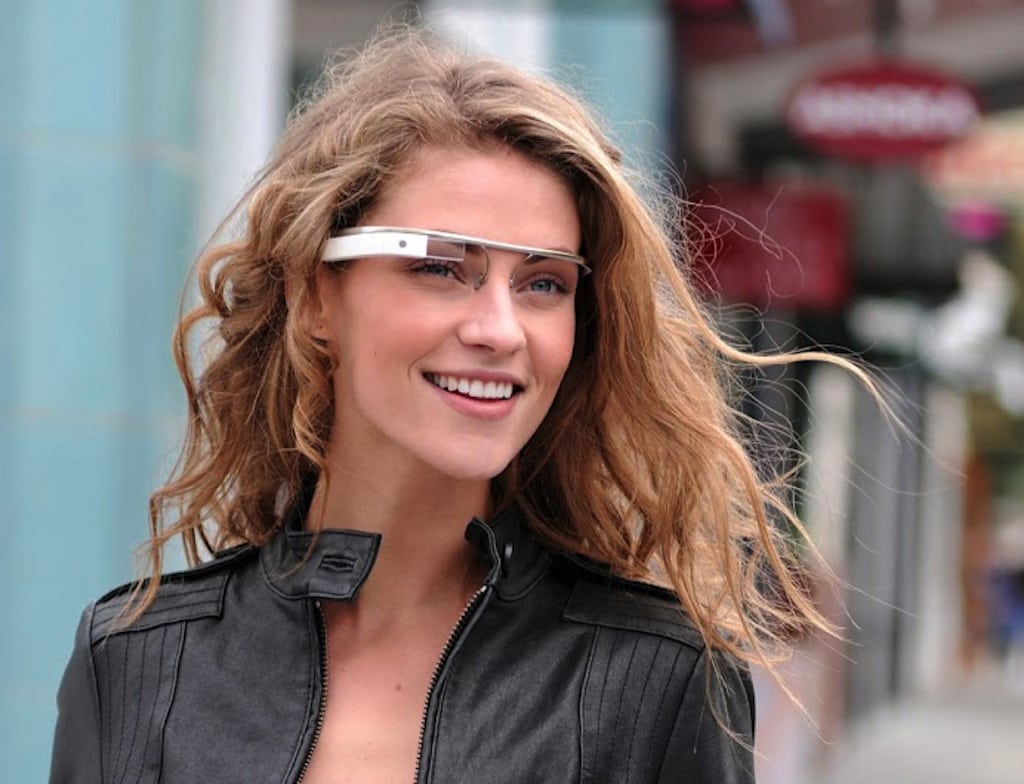
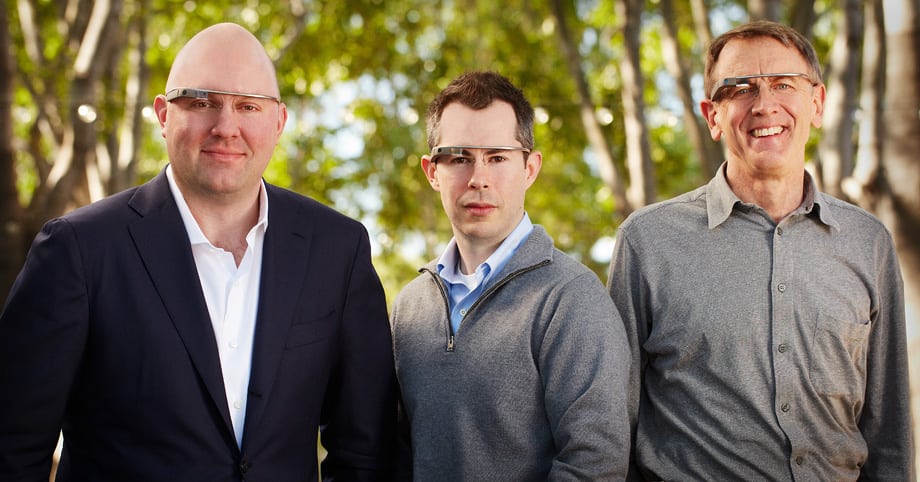
Most of the AR efforts, especially in travel as listed here, have bordered on gimmicks for the sake of it, without any considerations of real-life user experience. Will Google Glass break through that AR barrier?
If Priceline's stats hold up industrywide, then airlines know that their mobile apps and mobile sites will have to cater to younger travelers who seek a lot more flexibility.
Google began selling Google Glass to developers for $1,500, but forget about loaning or selling it to someone else. Google would immediately disable the device -- and probably its relationship with you.
Skiers are more affluent than bowlers, for example, so it's not surprising that lots of ski buffs are packing mobile devices. But the're not just packing, they are transacting, too.
Travel information is a big part of Google Glass' use case, and would be fascinating to see the travel-related startups that will come out of the ecosystem. We'll be tracking all of them here, stay tuned.
The tourism industry does not work alone. It simultaneously touches and is impacted by world events, technology, green energy, the economy, and, of course, people. It must consider and constantly adapt to these moving factors in order to move forward in a positive meaningful way.