An in-depth look at how companies in the travel and hospitality industries can leverage mobile applications to better serve their customers and grow their businesses
Is the Black Friday business something that provides a new opportunity for travel retailers or is it a discounting trap that sets the wrong tone for their products?
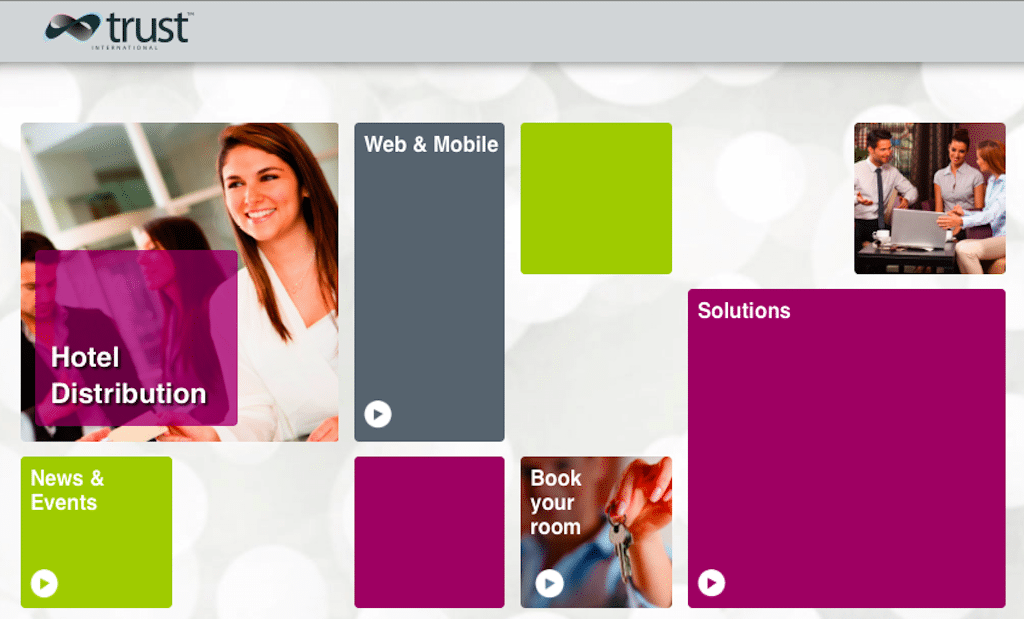
Hospitality solutions is a significant yet still relatively small portion of Sabre's business but it will trend upwards in coming years with acquisitions such as the one for Trust International. The travel agent business is still where Sabre makes 70 percent of its dough.
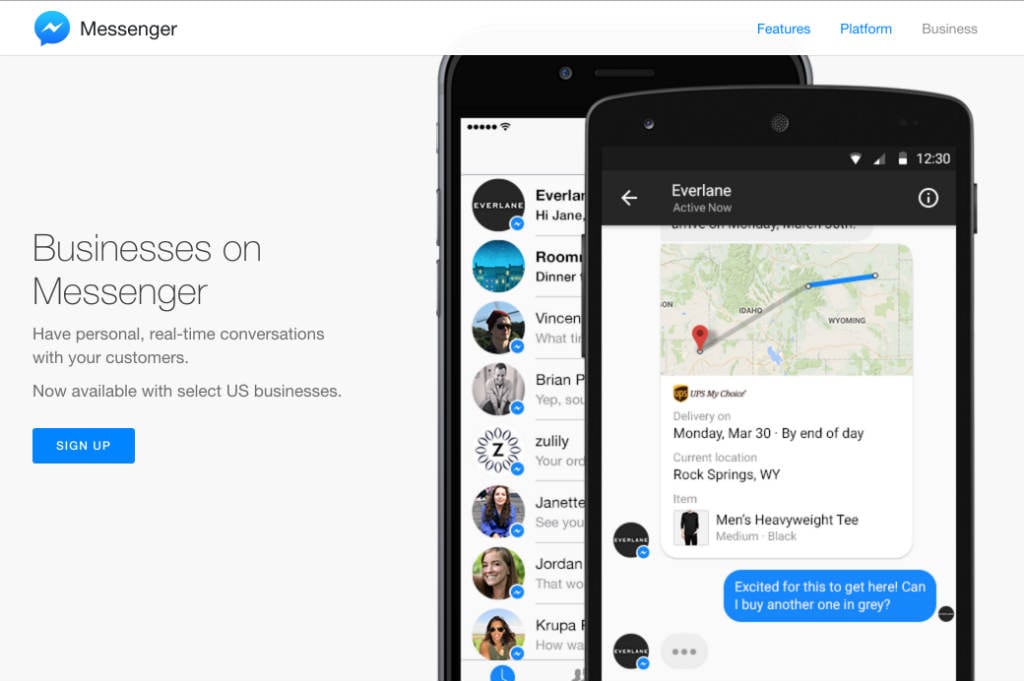
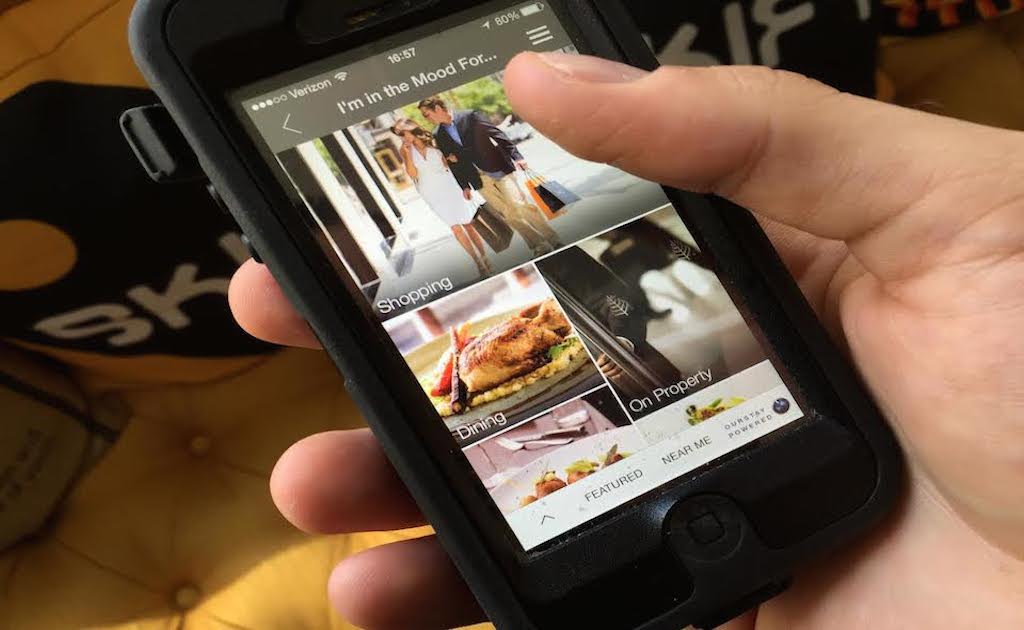
Hyatt is an early adopter of a new form of customer service for hotels: using Facebook Messenger to connect with guests, because in today's world, the key to being relevant is engaging with consumers on the platforms they are using.
Detour has redesigned the audio walking tour for the mobile generation, and the user experience is almost flawless. But there's still a lot of work to do to convince travelers that audio tours are relevant in this day and age, and a long way to go until the economics make any sense.
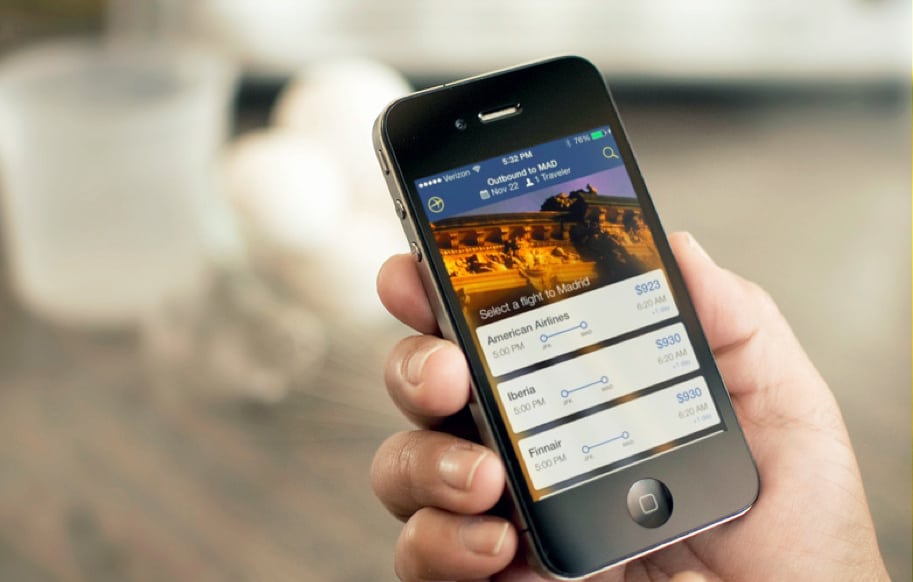
Mobile is the present and future of travel booking as desktop slowly creeps out the backdoor during the next decade. Mobile's future also doesn't necessarily mean apps, as brands devote major redesign efforts to their mobile sites for travelers weary of having too many apps.
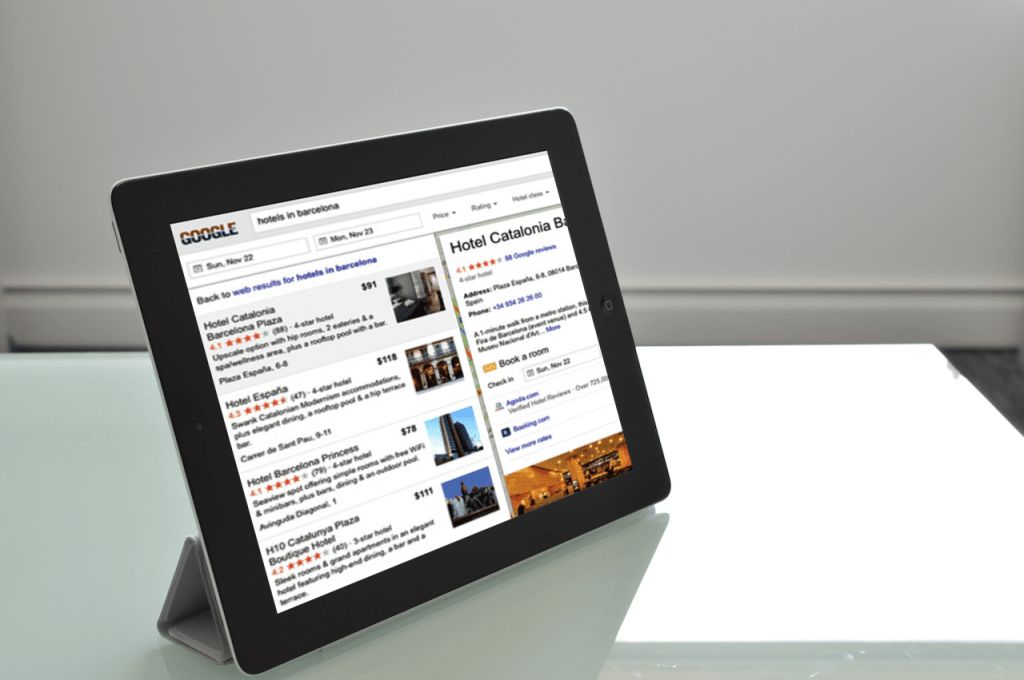
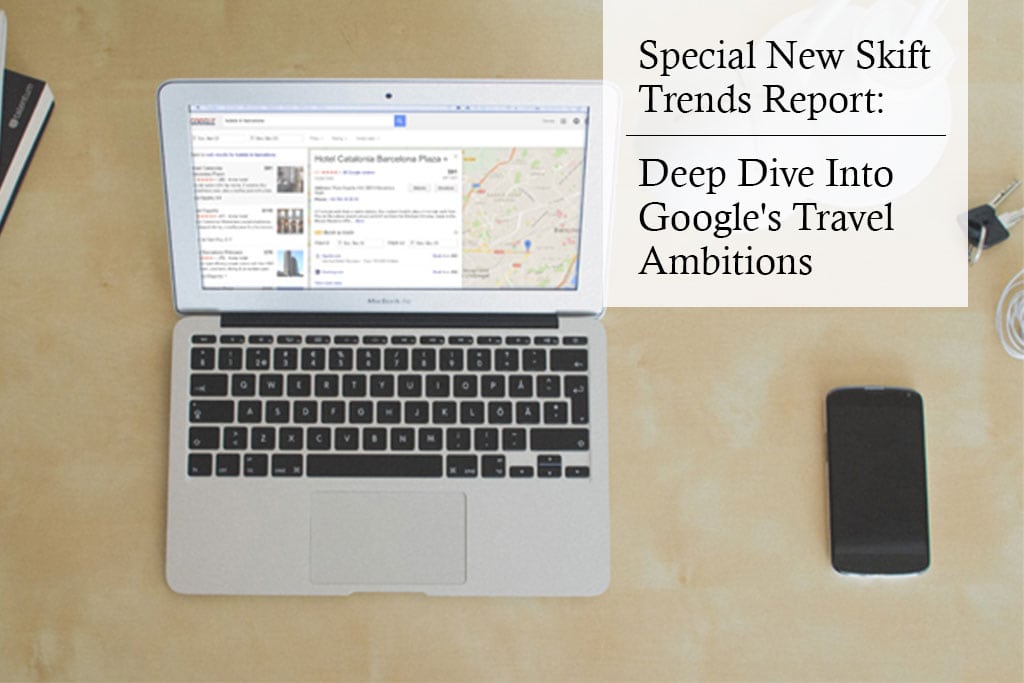
Google is already the dominant player in travel advertising but now, after four years of acquisitions and product development, the search giant is finally integrating its flight and hotel products. It is also ramping up Book on Google with the goal of making Google a go-to venue for travel transactions.
An in-depth look at the trends that are driving booking via smartphones and tablets, the challenges holding the market back, and strategies for businesses in the travel and hospitality industries.