Sabre has sold operational tools to airlines for years, but the business unit became complacent. CEO Sean Menke has revved up the travel tech company's metabolism. But it will take at least a year for his turnaround to kickstart renewed revenue growth in this unit.
If — or when — a backlash comes, it would upend the business models of a wide swath of travel industry companies. It would also put many businesses specializing in surveillance of consumers at risk.
Russian regulators have put up obstacles to the long-discussed buyout of the travel technology giant Travelport. Odds are the deal will still be completed, though.
Navigating the world of government travel is so complex that it's hard for outside companies to handle it. And even if they can, opportunities are slim for getting big contracts with tens of billions of dollars up for grabs.
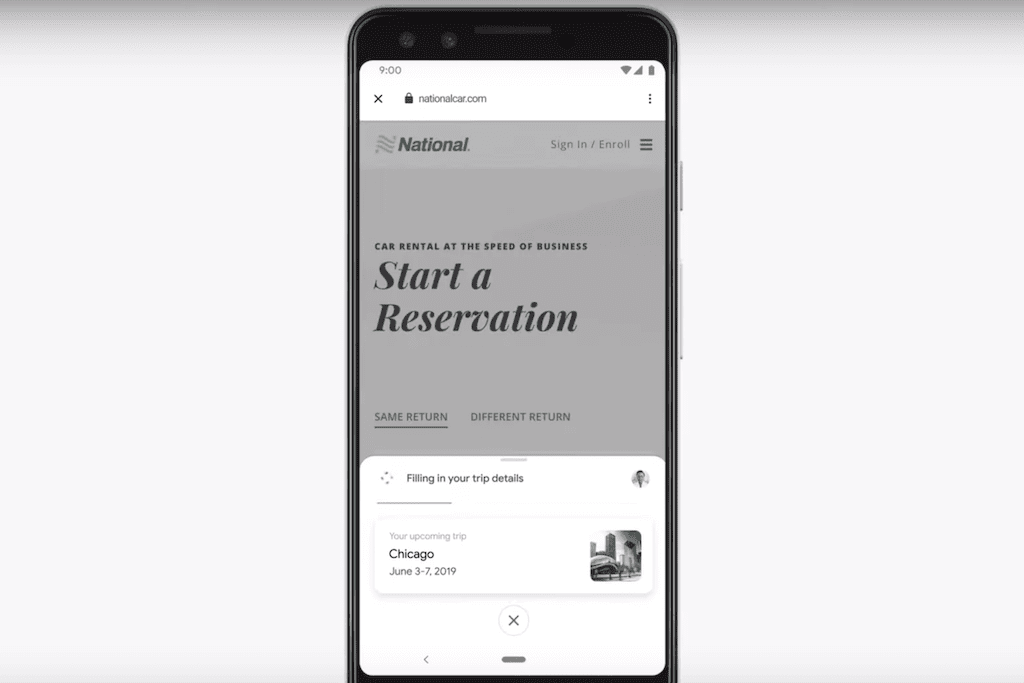
It will be fascinating to see whether consumers embrace booking various elements of travel using Google Assistant. Perhaps more interesting is the way that Google Maps has become an all-purpose superapp in recent years.
Sabre is engaged in a tough but necessary technology transition. Beyond the system outages it has experienced recently, some of the events impacting its financial results, namely the Jet Airways financial collapse and the Boeing 737 Max groundings, are beyond the company's control.
InterContinental Hotels Group aims to use its new reservations system from Amadeus to set and shift rates based on customer preferences and spending habits. But the move will eventually force the company to throw away its rulebook on how to maximize revenue.
Travelport sees an opportunity to gain share with mid-market travel management companies in the U.S., which seems plausible. But it will need to keep up its pace of adopting new technologies and policies to pull that off.