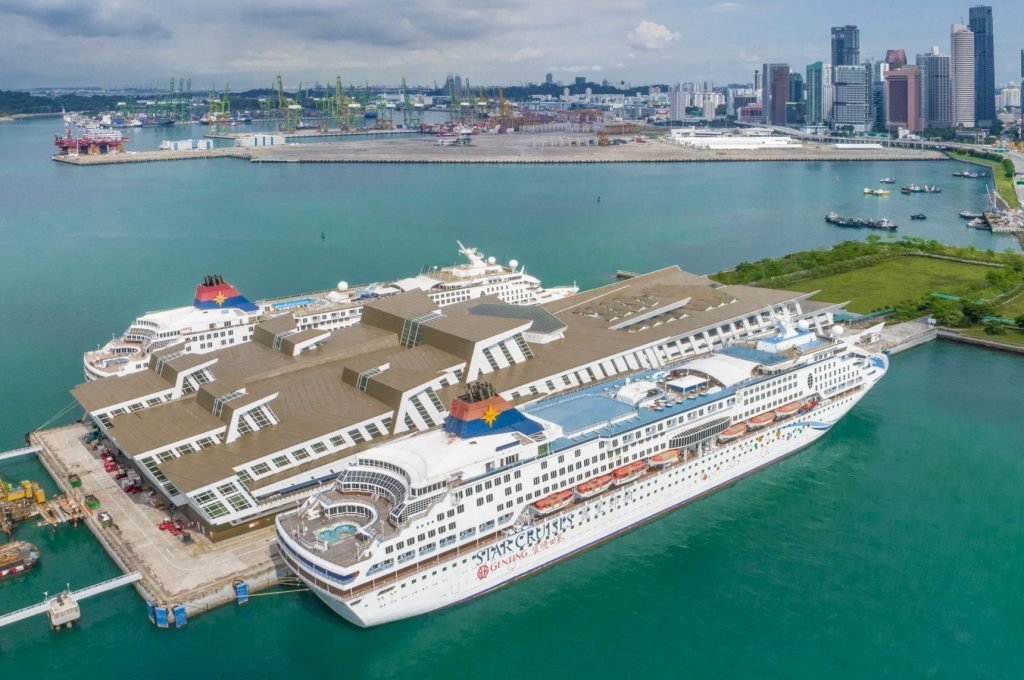
Unlike North America and Europe where cruising already has a loyal following — and critics in equal measures — Asia’s nascent cruise market also means the region’s travelers are likely more malleable and open in their impressions of cruising in the wake of the coronavirus pandemic.
It’s hard to imagine how Asian millennials, who have been relatively unscathed by earlier financial crises, would go through the current pandemic without some drastic changes to their lifestyles and habits, travel included.
Much of the post-crisis tourism recovery conversation has focused on China. But India should not be neglected, especially for destinations that have seen the perils of fixating too much on a single market boil over at the onset of the global pandemic.
Tourism is now having its OCD moment in the face of the coronavirus. Will new sanitation protocols in the tourism sector buy peace of mind for travelers post-pandemic or usher in a new age of travel anxiety?
The coronavirus pandemic has underscored Maldives’ tourism vulnerability. How this Indian Ocean nation strategizes its recovery path in the days ahead could be a good case study for other small island nations heavily reliant on foreign tourist dollars.
If the current crisis has taught us anything, it’s that destinations must put sustainability at the top of the agenda to thrive. Will coronavirus be a turning point for Southeast Asia’s volume-fixated tourism model?
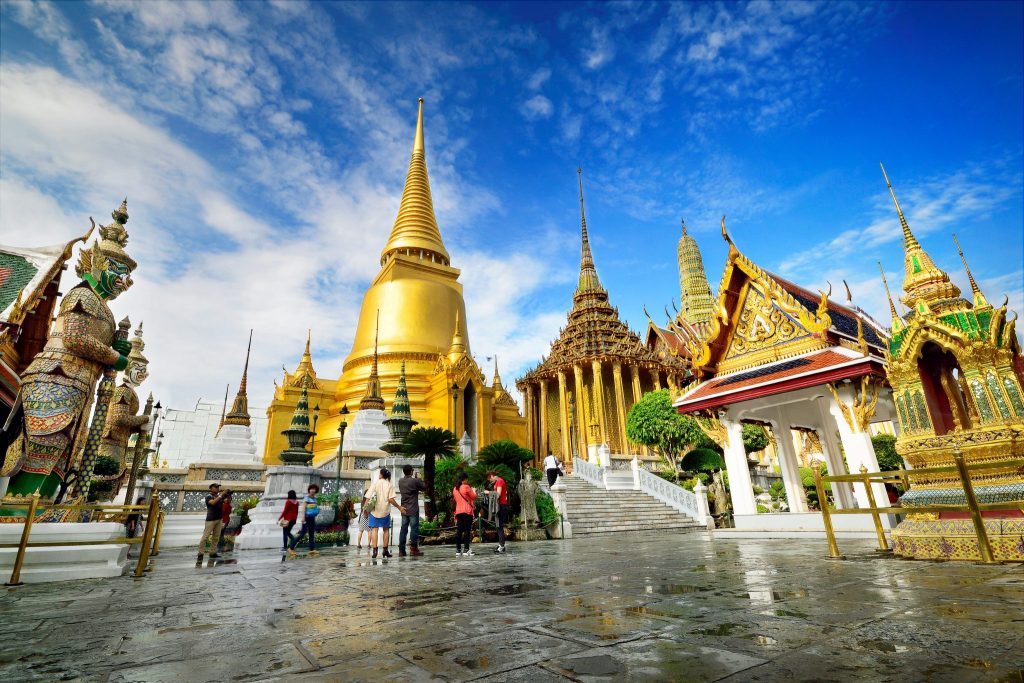
Chinese travelers will eventually return to Southeast Asia, and how they are expected to behave in the near future will offer valuable hints to restart growth for Thailand’s devastated tourism industry.
Raising productivity and easing a manpower crunch had been the original triggers behind the deployment of service robots and contactless technology in Asia’s hospitality sector, but the coronavirus pandemic will catalyze the automation trends already on the horizon.